SDOH Insights: Unlocking Better Outcomes with HCBS
Social determinants of health (SDOH)—the conditions in which people live, work, learn, and play—play a major role in shaping health outcomes, often influencing wellbeing more than medical care alone. By addressing these upstream factors, we can reduce disparities and promote healthcare access for all.
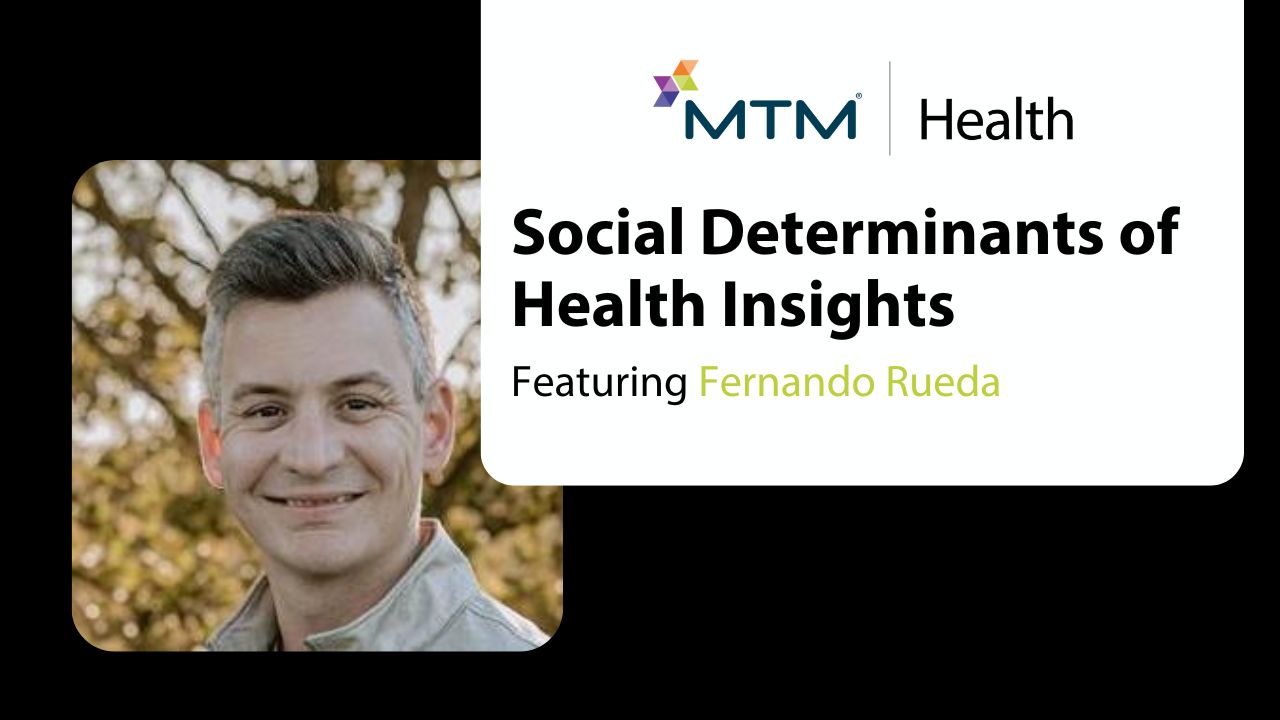
Each quarter, MTM Health spotlights initiatives that improve outcomes for members and clients nationwide by tackling SDOH and dismantling community barriers. In this Q1 2026 edition, we spoke with Fernando Rueda, Director of Healthcare Products, about how home and community-based services (HCBS) deliver powerful, person-centered impact when framed through the SDOH lens.
What is HCBS?
HCBS brings essential care directly into homes and communities, avoiding institutional settings. Long a lifeline for vulnerable populations, HCBS becomes even more transformative by targeting key SDOH barriers like transportation, housing instability, and limited access to enriching therapies such as equine, art, pet, music, and aquatic options. These services enhance emotional resilience, reduce isolation, and boost overall quality of life.
MTM Health’s HCBS programs eliminate obstacles, ensuring reliable access to care that might otherwise remain out of reach. By seamlessly integrating non-emergency medical transportation (NEMT) with HCBS, we provide safe, dependable rides to appointments, therapies, and community activities—helping members stay healthy, independent, and connected at home. This combined approach directly advances MTM Health’s mission: supporting communities without barriers.
How HCBS Supports Key SDOH Domains
HCBS addresses core social determinants by connecting members to resources that profoundly influence health and wellbeing:
- Access to Care: HCBS therapies help to overcome mobility challenges, ensuring members receive needed therapies and services without delay.
- Community Access and Engagement: Reliable access to groceries, healthcare, and social activities supports longevity and vitality. For those who don’t qualify for Medicaid or Medicare NEMT, MTM Health’s affiliate Wanda steps in—offering on-demand, safe transportation for seniors and caregivers. Through partnerships like VeyoRide and features such as real-time online chat, Wanda delivers flexible, moment’s-notice rides to bridge gaps for populations who don’t qualify for NEMT.
- Daily Needs and Independence: Nutrition support, personal care, and caregiver assistance empower members to maintain health and autonomy at home.
- Social Connection: By facilitating community participation and caregiver support, HCBS combats isolation and fosters meaningful relationships.
For example, equine therapy builds emotional resilience and self-efficacy—particularly valuable for adults with mental health needs or disabilities—while art therapy helps reduce loneliness and improve mood among seniors or those with chronic conditions, leading to greater overall wellbeing.
Advancing Health Equity Through SDOH-Focused HCBS
Viewing HCBS through an SDOH framework enables Medicaid programs to deliver truly person-centered, community-rooted, and equity-driven care. By building robust networks of credentialed providers and removing systemic barriers—such as limited access in rural areas, transportation deserts, or cultural mismatches—HCBS closes gaps in outcomes for underserved groups, including communities of color, low-income individuals, and rural residents. This approach not only improves individual health but advances broader healthcare access, ensuring everyone has the opportunity to thrive.
Categories
- Alaina Macia (39)
- Employee Wellness (19)
- ETO Newsletter (64)
- Events (70)
- MTM Health eNewsletter (83)
- News & Events (708)
- Technology (2)
- Tradeshows (57)
- Uncategorized (17)
- Webinars (15)